Disclosure: This post contains affiliate links. As an Amazon Associate, we earn a small commission from qualifying purchases at no extra cost to you. We only recommend products we truly love and trust.
As someone who is deeply passionate about the world of baby crochet, in this article, I will share with you the top 6 essential materials and supplies for crafting safe Santa Claus amigurumi toys for your little ones—or creating a truly charming handmade gift for the New Year!
6 Essential Materials & Supplies for Crocheting Safe Santa Amigurumi Toys
Crafting a handmade crochet Santa Claus plushie or teething toy for an infant’s first Christmas is a deeply rewarding DIY endeavor. However, creating a plushie designed specifically for newborns and toddlers requires careful attention beyond just picking vibrant colors and following a pattern. Because infants naturally explore their environment by chewing, touching, and squeezing their toys, selecting the right crafting materials is the single most important factor in guaranteeing ultimate toy safety, durability, and visual charm.
Standard craft store acrylics, plastic safety eyes, and untreated wooden rings often carry hidden hazards such as choking risks, chemical leaching, or skin irritation. By using high-grade organic fibers, smooth antibacterial hardwoods, and baby-safe internal components, you ensure your handmade holiday creations are not only gorgeous nursery decor items but also 100% safe for daily infant interaction. Below is a detailed, professional breakdown of the 6 essential supplies every maker needs to craft safe and durable crochet Santa toys.
- 100% Organic Combed Cotton Yarn (Crimson Red & Snowy White)
The foundation of any high-end holiday amigurumi project begins with selecting the ideal yarn. Organic combed cotton yarn is widely recognized by professional craft makers as the absolute gold standard for infant plushies. Unlike traditional wool or coarse acrylics, combed cotton undergoes a specialized manufacturing process that strips away short fibers and surface fuzz. This produces an exceptionally smooth, non-shedding strand that prevents loose fibers from drifting into a newborn’s eyes or airways.
Furthermore, organic cotton yarn provides incredible stitch definition, allowing Santa’s classic red coat, white beard trim, and belt details to stand out with crisp clarity. Cotton fibers are naturally breathable, hypoallergenic, and highly resistant to saliva and frequent machine washings. The yarn retains its vibrant crimson red and snowy white tones without bleeding or fading, making it the safest choice for delicate baby skin.

Why It’s Essential: It delivers zero-shedding hypoallergenic protection, high stitch definition, and long-lasting color fastness through wash cycles.
👉 Click the link to check the price on Amazon
- Ergonomic Soft-Grip Crochet Hooks (Sizes 2.0mm – 3.0mm)
Crocheting tight amigurumi structures requires working with a significantly smaller hook size than recommended for standard garments. Maintaining a dense stitch gauge ensures that the internal fiberfill stuffing remains securely trapped inside Santa’s belly and head, eliminating any risk of fine fibers poking through the fabric structure.
However, holding tight tension over long crafting sessions can lead to hand fatigue and joint strain. Ergonomic crochet hooks featuring cushioned silicone handles distribute pressure evenly across the palm and fingers. Equipped with smooth, polished aluminum heads, these hooks glide through organic cotton yarn without splitting the delicate yarn plies, allowing crafters to maintain uniform stitch tension effortlessly.
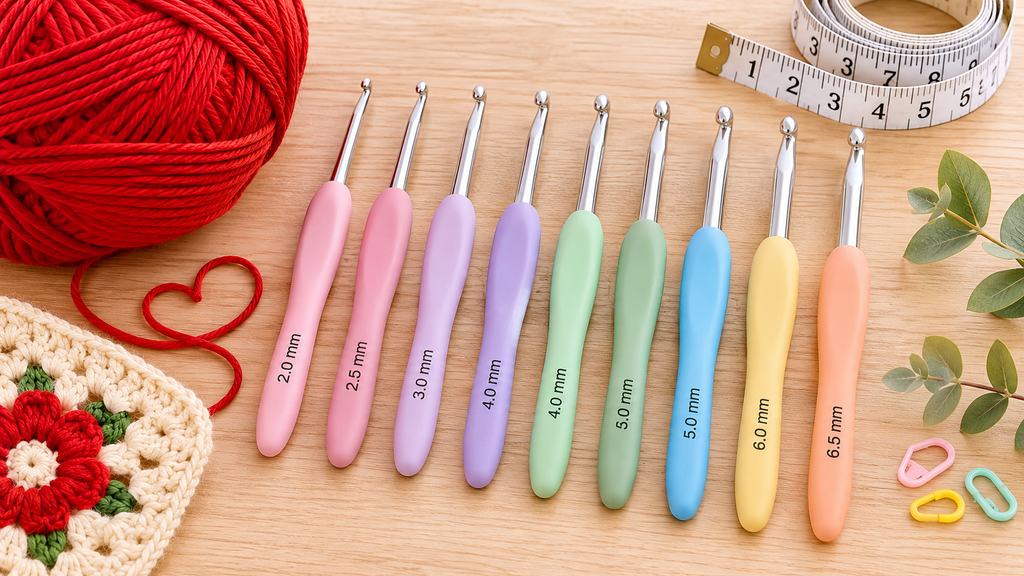
Why It’s Essential: Cushioned handles protect hand comfort while precision aluminum tips ensure tight, gap-free amigurumi stitches.
👉 Click the link to check the price on Amazon
- Natural Untreated Beechwood Teething Rings
When designing a functional Santa teether or rattle toy, incorporating a wooden ring provides crucial tactile feedback and gum relief for teething infants. Natural beechwood is the premier hardwood choice for baby items due to its exceptionally dense grain structure and inherent resistance to splintering or cracking under moisture pressure.
Unlike soft pine or painted wooden alternatives, natural beechwood rings are left raw and chemical-free, ensuring zero risk of toxic varnish absorption. Beechwood possesses natural antibacterial properties and provides a solid, ultra-smooth surface for babies to chew on, while serving as a sturdy structural anchor for the crocheted Santa elements.
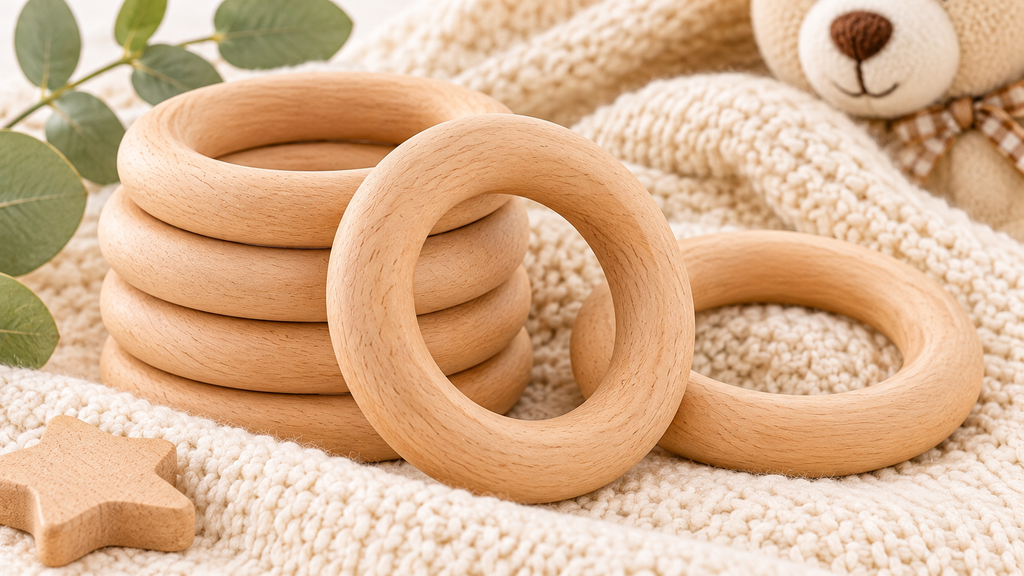
Why It’s Essential: Chemical-free, splinter-resistant, and naturally antibacterial, offering safe teething relief for sore gums.
👉 Click the link to check the price on Amazon
- Premium Hypoallergenic Polyester Fiberfill
The interior filling gives Santa his iconic plush shape, soft belly, and bouncy structure. Using low-quality craft stuffing can cause plushies to lose their shape, lump unevenly, or absorb moisture, creating an environment for mold inside the toy cavity. Premium 100% polyester fiberfill is engineered with high resilience, expanding uniformly without clumping.
For baby-centric items, using certified hypoallergenic fiberfill is critical to prevent respiratory or contact allergies. High-grade polyester fibers do not hold onto water, allowing internal stuffing to dry rapidly after machine washing. This ensures the plushie stays hygienic, bouncy, and resilient even after heavy daily use.

Why It’s Essential: It offers high elasticity, hypoallergenic safety, and rapid drying capabilities to keep toys hygienic.
👉 Click the link to check the price on Amazon
- Sealed Waterproof Rattle & Musical Chime Inserts
Transforming a simple crochet Santa into an interactive sensory development toy requires adding subtle auditory features like rattle spheres or gentle pull-string musical mechanisms. Sound stimulation encourages infants to develop auditory tracking skills, spatial awareness, and motor coordination as they shake or squeeze the plushie.
Safety is paramount when incorporating internal sound units. High-quality rattle inserts are housed in heavy-duty, ultrasound-sealed plastic shells. These waterproof casings make the sound inserts completely shatterproof and leak-proof, ensuring that tiny internal rattle beads never escape during play or machine washing.
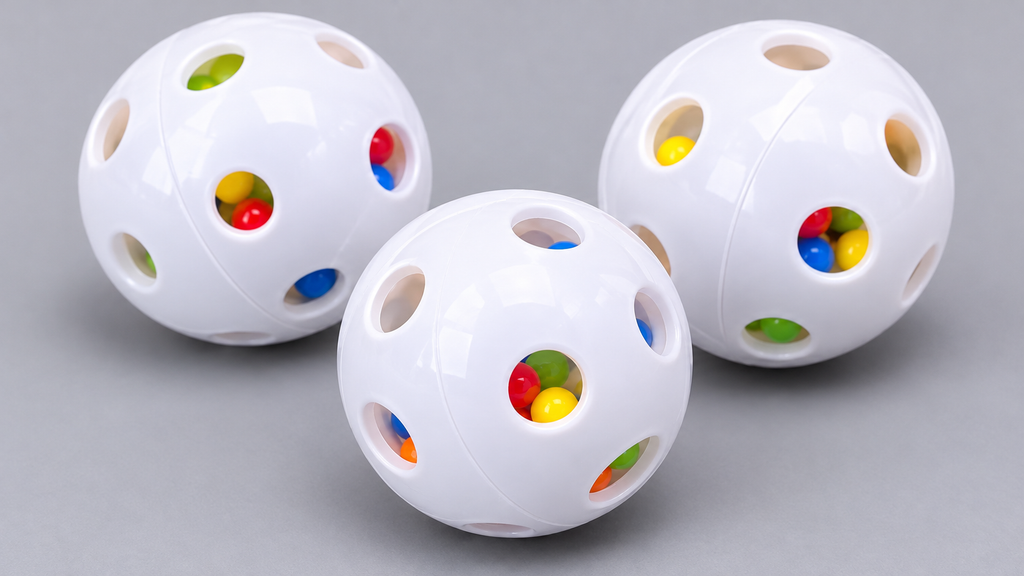
Why It’s Essential: Provides gentle sensory stimulation inside a shatterproof, waterproof enclosure designed for safety.
👉 Click the link to check the price on Amazon
- Cotton Embroidery Floss & Blunt Tapestry Needles
Hard plastic safety eyes and plastic buttons carry an inherent choking risk if detached by aggressive chewing or washing. Professional amigurumi safety standards dictate that all facial details and decorative elements on baby toys must be completely soft and hand-embroidered. Non-toxic cotton embroidery floss in black, pink, and gold allows crafters to embroider expressive eyes, cheerful cheeks, and belt buckles directly onto the plushie’s body.
Pairing your thread with sturdy, blunt-end steel tapestry needles is essential for seamless assembly. The rounded needle tips slide smoothly between single crochet stitches without splitting the main yarn plies, allowing you to double-knot and reinforce seams securely.
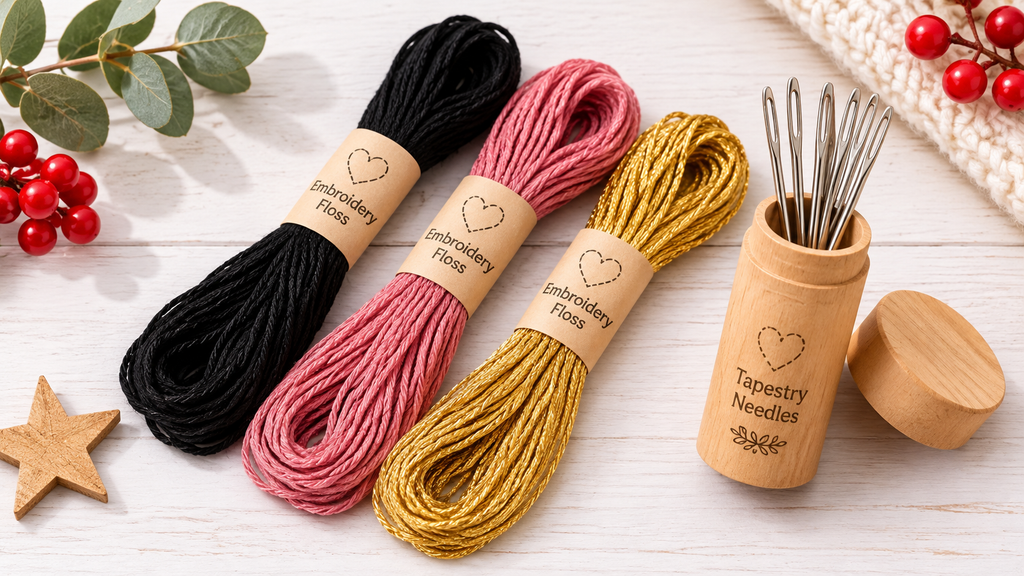
Why It’s Essential: Replaces plastic choking hazards with soft embroidered details and ensures ultra-strong seam assembly.
👉 Click the link to check the price on Amazon
Comparative Material Analysis: Crafting vs. Safety Performance
Choosing the right combination of materials for an infant-safe amigurumi project requires balancing structural integrity, infant safety, and ease of crafting. Below is an in-depth, feature-by-feature comparative analysis highlighting how each essential material performs across critical nursery safety standards and advanced handicraft requirements:
Organic Combed Cotton Yarn vs. Standard Synthetic Acrylic Yarn
Safety & Toxicity Profile: Organic combed cotton is completely hypoallergenic, pesticide-free, and safe for mouthing, whereas synthetic acrylics can shed loose micro-fibers that infants might swallow or inhale during play.
Durability & Washability Standards: Combed cotton withstands frequent high-temperature machine washing and constant saliva exposure without losing structural integrity or bleeding dyes. Acrylic tends to pill, stretch, and develop fuzz over time under friction.
Stitch Definition & Tension: Cotton plies provide crisp, clean stitch definition ideal for dense amigurumi shapes, while acrylic fibers offer a fluffier appearance that can obscure tight stitch work and loosen internal containment.
Natural Beechwood Rings vs. Molded Plastic or Softwood Rings
Material Density & Splinter Resistance: Beechwood is an exceptionally dense hardwood that resists splintering, cracking, or chipping when exposed to teething pressure and moisture, unlike soft pine or birch woods.
Chemical Exposure & Finishes: Untreated beechwood is completely free of BPA, phthalates, and synthetic coatings, whereas cheap plastic rings may contain chemical plasticizers or surface paints that wear off during aggressive chewing.
Hygienic Surface Properties: Natural beechwood possesses intrinsic antibacterial qualities that discourage bacterial surface growth, whereas cracked plastic or coated wood can trap moisture and harbor microbes within micro-crevices.
Embroidered Facial Details vs. Hard Plastic Safety Eyes & Buttons
Choking Hazard Prevention: Hand-embroidered features using cotton floss form an integrated, permanent part of the crocheted fabric with zero risk of detachment. Plastic safety eyes—despite their misleading name—can pop loose under aggressive chewing, presenting a severe choking hazard.
Texture & Tactile Comfort: Soft thread embroidery creates a completely smooth, tactile surface that is gentle on a baby’s face and gums during sleep or cuddling. Hard plastic components introduce cold, rigid edges.
Longevity in Wash Cycles: Embroidered details stay permanently anchored through repeated washings, whereas plastic washers can degrade, loosen, or snap under mechanical dryer heat.
Premium Hypoallergenic Fiberfill vs. Standard Craft Polyfill
Resilience & Shape Retention: High-grade fiberfill features non-clumping elastic fibers that maintain Santa’s round belly shape after squeezing, whereas lower-tier stuffing flattens into hard lumps after minimal use.
Moisture Management & Airflow: Premium polyester fibers are non-absorbent and facilitate rapid internal airflow during drying, effectively preventing interior mold or mildew formation inside the plushie core.
Comprehensive Parent & Crafter Guide: Safe Toy Construction & Care
Creating or purchasing a handmade amigurumi Santa Claus toy requires adhering to strict safety protocols beyond basic material selection. Whether you are crafting a holiday gift yourself or selecting a handmade heirloom for your baby’s nursery, follow these practical, professional guidelines to ensure ultimate safety, hygiene, and long-term durability.
Maintaining Ultra-Tight Stitch Gauge to Contain Stuffing
Always use a hook size 1.0mm to 1.5mm smaller than the yarn label recommends. A dense, gap-free single crochet fabric prevents internal polyester fibers from poking through the stitches where tiny fingers can pull them out.
Periodically squeeze the toy firmly during assembly; if white stuffing is visible between your stitches, reduce your hook size or adjust your hand tension to tighten the weave.
Securing Double-Knotted & Reinforced Seams
When attaching Santa’s arms, hat, beard, or wooden teething rings, leave long yarn tails (at least 10 inches) for structural assembly.
Weave yarn tails through multiple crochet rows rather than securing them with a single knot. Pass the tapestry needle through the internal stuffing core several times and finish with buried friction knots that cannot unthread under tugging.
Conducting Regular Mechanical Safety Inspections
Before handing any handmade amigurumi toy to an infant, perform a firm “tug test” on all stitched attachments (hats, arms, beard, and noise-maker limbs).
Inspect wooden teething rings for any signs of hairline fractures, surface roughness, or wear caused by prolonged saliva contact. Discontinue use if wood shows splitting.
Sanitization & Proper Washing Protocols
Place small amigurumi plushies inside a mesh laundry bag before machine washing on a delicate, cool cycle using mild, baby-safe detergent.
Air-dry the toy thoroughly in a well-ventilated area. Avoid high-heat tumble dryers, as extreme heat can deform polyester stuffing or shrink organic cotton fibers.
For toys incorporating raw beechwood rings, wipe the wooden surface clean with a damp cloth and warm water; never submerge the wood in water for extended periods to prevent warping.
Frequently Asked Questions (FAQs)
- Is organic cotton yarn strictly necessary for baby amigurumi toys, or can I use acrylic yarn?
While standard acrylic yarn is widely available and less expensive, it is not recommended for infant toys. Acrylic is a synthetic fiber derived from plastic that tends to shed micro-fibers, which can be inhaled or swallowed by babies. Organic combed cotton yarn is hypoallergenic, non-shedding, highly breathable, and gentle on sensitive baby skin, making it the safest choice for items that infants will mouth or cuddle. - How do I prevent fiberfill stuffing from poking through my crochet stitches?
The key to containing stuffing is maintaining a tight stitch gauge. Always use a crochet hook that is 1.0mm to 1.5mm smaller than the yarn manufacturer’s recommended size. Working with tight, uniform single crochet stitches creates a dense fabric with zero gaps, securely locking the polyester fiberfill inside the toy’s core. - Are wooden teething rings safe for newborns, and how should I clean them?
Yes, raw, untreated beechwood rings are completely safe and excellent for teething infants because they are naturally antibacterial, splinter-resistant, and free of toxic chemical finishes. To clean them, simply wipe the wood surface with a damp cloth and mild soap; never submerge wooden rings in water or put them in a dish/laundry washer, as prolonged moisture exposure can cause warping or cracking. - Why should I avoid plastic safety eyes when making baby toys?
Plastic safety eyes and buttons present a severe choking hazard for infants and toddlers. If a baby aggressively chews, tugs, or pulls on a plushie, plastic washers can snap or loosen over time. Professional safety standards dictate replacing hard plastic parts with secure, 100% hand-embroidered facial features using non-toxic cotton embroidery floss. - What is the best way to wash and maintain handmade amigurumi toys?
Handmade plushies should be placed inside a protective mesh laundry bag and washed on a delicate, cool water cycle using a mild, fragrance-free baby detergent. Always air-dry the toy completely in a well-ventilated area rather than using a high-heat tumble dryer, which can shrink organic cotton or deform the internal polyester fiberfill.
Conclusion
Crafting a handmade crochet Santa Claus toy is much more than just a delightful holiday project—it is an act of love that results in a cherished, heirloom-quality keepsake for a baby’s first holiday season. By prioritizing superior, baby-safe materials such as organic combed cotton yarn, untreated beechwood rings, hypoallergenic fiberfill, and securely embroidered features, you bridge the gap between creative artistry and uncompromising infant safety.
Whether you are an experienced amigurumi designer or a passionate beginner preparing for the New Year, investing time in quality supplies ensures your handmade gifts are durable, hygienic, and cherished for years to come. Gather your hooks and organic yarns today, and start crafting a magical, safe holiday memory for the little ones in your life!
Prefer buying a finished gift rather than crafting one yourself? Explore our handpicked guide to the 6 Best Crochet Santa Claus Toys for Babies to find safe, ready-made options.
Now that I’ve shared everything you need to know about this topic, I hope you bring joy to your little ones with a safe, handmade Santa toy for the New Year! I truly hope I’ve answered all your questions, and thank you so much for reading this guide.