Disclosure: This post contains affiliate links. As an Amazon Associate, we earn a small commission from qualifying purchases at no extra cost to you. We only recommend products we truly love and trust.
As someone passionate about baby crochet who has accumulated practical experience in this field, I have put together this guide to the best baby-safe yarns for delicate skin. In this article, we focus directly on why choosing non-toxic, hypoallergenic fibers matters so much for your little one’s comfort and safety.
Crafting handmade items for a baby is one of the most rewarding projects you can take on as a crocheter. However, when working on items that touch delicate, newborn skin, choosing the right yarn is just as important as the stitches themselves. If you are a beginner, navigating yarn aisles or online stores can feel overwhelming with terms like acrylic, organic cotton, bamboo, and wool blend.
This comprehensive guide breaks down everything you need to know about selecting non-toxic, hypoallergenic, and baby-safe yarns. You will learn how to choose the right materials, avoid common skin irritants, match yarn weights to baby projects, and care for your finished handmade creations so they stay soft for years to come.
- Why Choosing the Right Baby Yarn Matters for Beginners
When you start crafting for little ones, prioritizing safety and skin sensitivity simplifies the entire process. Beginner-friendly baby projects—such as simple blankets, soft booties, or gentle hats—allow you to practice basic stitches while creating cherished keepsakes.
Choosing dedicated baby-safe yarns offers clear benefits for beginner crafters:
Gentle on Newborn Skin: Babies have significantly thinner skin than adults, making them prone to eczema and contact dermatitis caused by scratchy fibers.
Choke-Proof & Shed-Free: Low-pill yarns prevent fine fibers from coming loose and entering a baby’s mouth or nose.
Easy Stitch Visibility: Smooth cotton and acrylic blends feature tight twist construction, allowing beginners to easily count stitches without yarn splitting.
High Durability: Recommended baby yarns are engineered to withstand frequent machine washings without shrinking or losing softness. - Choosing the Best Baby-Safe Yarns & Essential Tools
Selecting materials requires understanding fiber content and tool compatibility. Baby items demand non-irritating fibers that hold up under heavy wear and washing.

- Recommended Baby Fiber Types
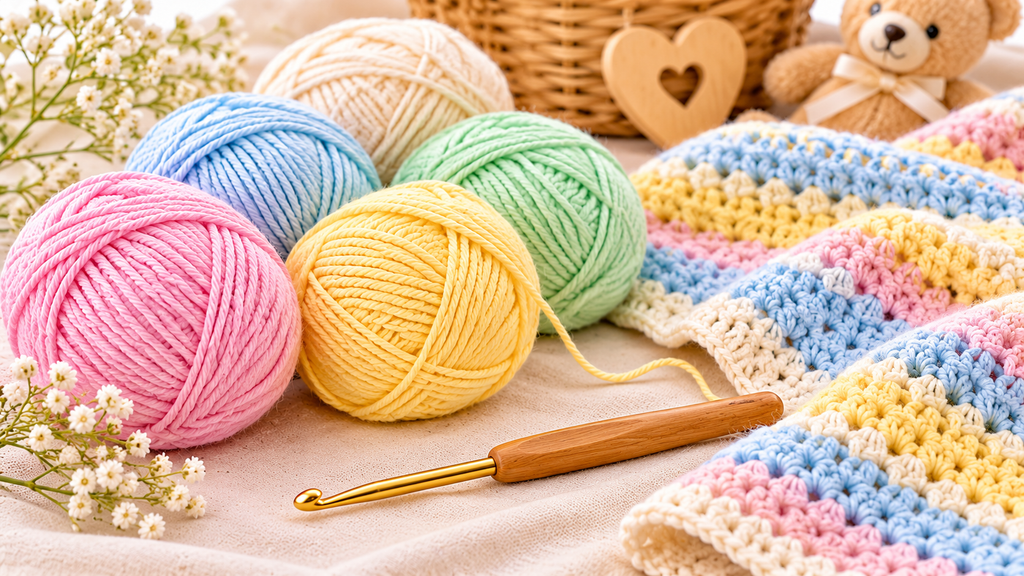
- 100% Organic Cotton: Breathable, hypoallergenic, and natural. Ideal for summer items, lightweight blankets, and teething toys.
- Bamboo Cotton Blends: Exceptionally soft with natural antibacterial properties, offering beautiful drape and flexibility.
- Premium Baby Acrylic: Ultra-soft, budget-friendly, and machine washable. Look for certified OEKO-TEX® yarns free from harmful chemical dyes.
Essential Crafting Tools
To work smoothly with baby-safe fibers, equip yourself with quality tools designed for comfort and precision:
Smooth Cotton Yarn Skeins: Select lightweight (Sport/DK) or worsted-weight cotton for optimum softness and stitch definition.
👉 Click the link to check the price on Amazon
- Ergonomic Aluminum Crochet Hooks: Reduces hand fatigue when working with fine or medium-weight yarns.
👉 Click the link to check the price on Amazon
- Natural Wooden Buttons: Perfect for securing cardigans, booties, and accessories without sharp plastic edges.
👉 Click the link to check the price on Amazon
- Baby Yarn Weight & Hook Compatibility Chart
Matching the right yarn weight with the correct hook size ensures your project turns out soft, flexible, and correctly proportioned. Use this quick reference table to plan your baby projects.
| Yarn Weight Category | Recommended Hook Size | Ideal Baby Projects | Key Features |
| Fine / Sport (Weight 2) | 3.25 mm – 3.75 mm (D-3 to F-5) | Newborn booties, lightweight hats, lacy cardigans | Light, breathable, ultra-soft against skin |
| Light / DK (Weight 3) | 3.75 mm – 4.5 mm (F-5 to 7) | Baby blankets, sweaters, rompers, mittens | Versatile, excellent drape, comfortable weight |
| Medium / Worsted (Weight 4) | 4.5 mm – 5.5 mm (7 to I-9) | Cozy winter blankets, plush toys, thick booties | Quick to stitch, warm, durable structure |

- How to Test & Select Baby Yarns Step-by-Step
Follow this straightforward four-step verification process before starting any baby crochet project:
Step 1: The Neck Sensitivity Test
Take the yarn skein and rub it gently against the inside of your wrist or the side of your neck. If you feel even the slightest scratchiness, tickle, or stiffness, pass on it. A baby’s skin is far more sensitive than yours.
Step 2: Check Safety Certifications
Look for yarns marked with OEKO-TEX® Standard 100 or GOTS (Global Organic Textile Standard) labels. These guarantee that the yarn has been tested and certified free from toxic chemicals, heavy metals, and harmful dye residues.
Step 3: Inspect Fiber Twist & Shedding
Pull a short length of yarn and twist it between your fingers. Ensure the plies are tightly twisted so the yarn will not split while crocheting or shed fibers that a baby could swallow.
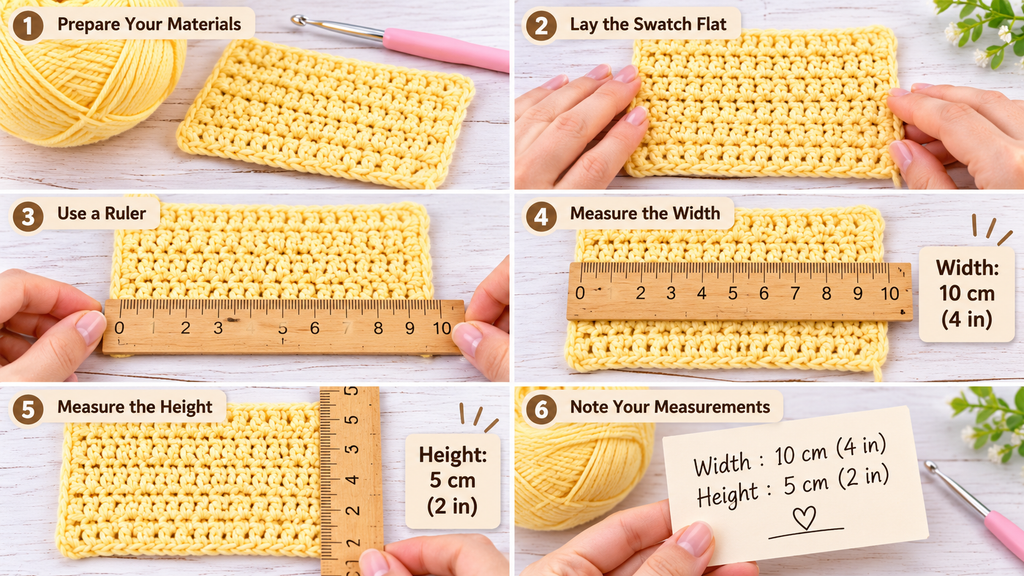
Step 4: Make a Washable Gauge Swatch
Crochet a 4×4 inch sample square using your chosen yarn and hook. Wash and dry it according to the yarn label instructions to confirm that it retains its shape, size, and texture without shrinking or pilling.
- Finishing Touches & Safe Embellishments
When completing baby items, safety must guide every design choice:
Choke-Proof Fastenings: Secure all buttons, tags, and appliques with double-knotted, heavy-duty thread. Seamlessly weave in all loose ends inside the stitches.
Avoid Loose Loops: Ensure stitch patterns do not leave wide open loops where tiny fingers or toes could get caught or tangled.
Natural Details: Use smooth, polished wooden buttons rather than painted plastic alternatives that might chip or flake off. - Common Baby Yarn Problems & Solutions
Troubleshoot common fiber and care issues easily with these practical tips:
Problem: The finished blanket feels stiff after crocheting.
Solution: Switch to a crochet hook size 0.5mm to 1.0mm larger than recommended on the label to loosen up stitch tension and create a softer drape.
Problem: The cotton item lost its shape after washing.
Solution: Always lay handmade cotton baby items flat to dry on a clean towel rather than hanging them on a line.
Problem: The acrylic yarn feels scratchy out of the skein.
Solution: Wash the completed item in cold water with a gentle baby detergent and a drop of hair conditioner during rinsing to soften the fibers immediately. - Preserving Your Handmade Baby Creations
Taking care of your yarn choices guarantees that your handmade gifts remain treasured heirlooms for years. Always include simple care instructions when gifting crochet items to new parents: wash on a gentle cycle, use mild baby-safe detergent, and lay flat to dry.
Always follow essential wash and care techniques so your handmade baby creations stay soft and shrink-free for years to come!
- Essential Pattern Terms & Abbreviations for Baby Yarns
When working with baby-safe yarns, understanding standard pattern terminology ensures your tension and sizing remain consistent. Below is a quick-reference guide to the essential abbreviations used in baby yarn patterns.
| Abbreviation | Standard Term | Description / Action |
| ch | Chain | The foundational stitch used to start most flat or circular patterns. |
| sc | Single Crochet | A short, tight stitch creating a dense, solid fabric ideal for toys and sturdy garments. |
| hdc | Half Double Crochet | A slightly taller stitch providing soft flexibility and wonderful drape for blankets. |
| dc | Double Crochet | A tall, airy stitch ideal for quick-working baby sweaters and lacy blankets. |
| sl st | Slip Stitch | Used to join rounds or move across stitches without adding height. |
| inc / dec | Increase / Decrease | Adding or reducing stitches systematically to shape garments and booties. |
- Sizing & Yarn Quantity Guide for Baby Projects
Calculating how much yarn you need prevents running out of the same dye lot mid-project. Use this chart to estimate yarn requirements for standard baby sizes using Light (DK) or Medium (Worsted) weight yarns.
| Baby Project | Age / Size Range | Estimated Yardage (Yards / Meters) | Recommended Yarn Weight |
| Newborn Booties | 0 – 3 Months | 50 – 75 yds (45 – 70 m) | Fine (Sport) or Light (DK) |
| Baby Beanie / Hat | 0 – 6 Months | 80 – 120 yds (75 – 110 m) | Light (DK) or Medium (Worsted) |
| Baby Sweater / Cardigan | 6 – 12 Months | 350 – 500 yds (320 – 460 m) | Light (DK) |
| Stroller Blanket | 30 x 36 inches | 700 – 900 yds (640 – 820 m) | Medium (Worsted) |
| Crib Blanket | 36 x 48 inches | 1,200 – 1,500 yds (1,100 – 1,370 m) | Medium (Worsted) |

- Frequently Asked Questions (FAQ)
Can I use 100% wool yarn for baby crochet projects?
While superwash merino wool is very soft, standard raw wool can cause itching and allergic reactions on sensitive baby skin. If using wool, always choose 100% Superwash Merino Wool labeled hypoallergenic and machine washable.
Is acrylic yarn safe for newborn items?
Yes, high-quality baby acrylic yarn is safe, provided it holds an OEKO-TEX® certification. Premium baby acrylics are engineered to be non-scratchy, durable, and easily washable. Avoid low-grade, rough acrylic yarns that shed fibers.
Why is cotton yarn recommended for baby teething toys?
100% organic un-dyed cotton yarn is the absolute safest choice for amigurumi rattles and teething rings because it does not shed loose microfibers, contains no toxic chemical dyes, and can be boiled or machine-washed safely to sanitize.
Conclusion: Start Your Baby Crochet Project with Confidence
Choosing the right yarn for your baby crochet projects is the foundation of creating soft, safe, and beautiful handmade pieces. By selecting certified non-toxic fibers, matching hook sizes accurately, and securing all finishing details, you ensure that every blanket, hat, or bootie you make remains a comfortable keepsake.
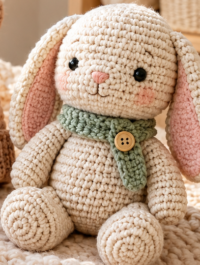
If you’re looking for a fun and soft baby toy project to make next, don’t forget to check out our step-by-step guide on how to crochet a safe baby bunny rattle for beginners to create a handmade gift every little one will adore!
Now that you have all the essential details on choosing the best baby-safe yarns, the choice is in your hands, parents, to pick the gentlest, safest fibers for your little ones. Thank you so much for taking the time to read this guide!